Boosting Efficiency and Security: How Remote Monitoring Optimizes Critical Infrastructure
Efficient infrastructure management is crucial as organizations face challenges in reducing downtime, cutting costs, and optimizing operations. Remote monitoring provides real-time insights, automated maintenance schedules / reminders, and timely event notifications helping teams respond proactively and manage resources effectively. This article explores how IMCI’s vendor-neutral, cyber-hardened solutions streamline operations, enhance performance, and ensure smooth operations.
Introduction
Managing critical infrastructure—such as telecom networks, power grids, and public safety networks —requires innovative solutions to maintain operational efficiency. According to recent studies, downtime costs large companies an average of $9,000 per minute, (Source: TechRepublic) reflecting direct losses and hidden costs like productivity slowdowns and reputational damage. The costly nature of this risk emphatically underscores the financial importance of proactive infrastructure management.
Manual processes, unexpected downtime, and limited resources make maintaining efficient operations increasingly challenging. Remote monitoring and management solutions address these challenges by detecting issues early, minimizing disruptions, and optimizing resource use, helping organizations avoid costly incidents.
IMCI’s IRiS platform and Open-i Remote Site Manager exemplifies this capability, offering real-time, cyber-hardened monitoring that enables proactive management of critical systems. This article explores how remote monitoring enhances performance and ensures smooth operations through practical examples.How Remote Monitoring Works
Remote monitoring involves quickly identifying concerns, tracking issues, and managing infrastructure performance in real-time through connected platforms and automated alerts. These systems allow operations' teams to detect issues early and manage infrastructure issues remotely and often without manual intervention.
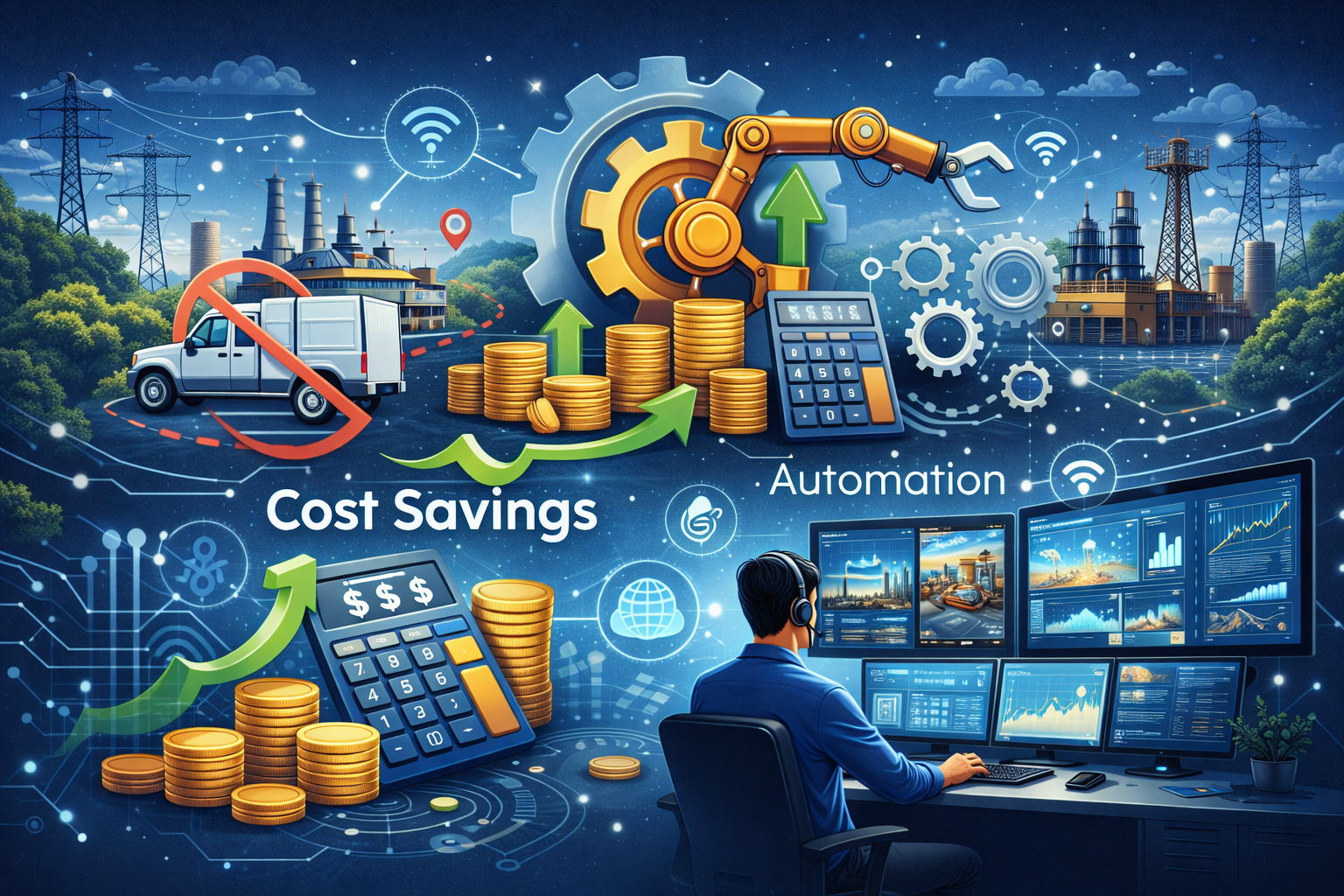
Example: A telecom company managing 11,000 devices from disparate manufacturers leveraged IMCI’s comprehensive solution to monitor real-time performance. Proactive warnings and automated alerts enabled teams to resolve issues remotely, eliminating more than 1000 on-site service trips annually and cutting costs while ensuring uninterrupted operation.
Key Takeaway: IMCI's remote monitoring ensures vendor-neutral compatibility, which works seamlessly with legacy systems and modern equipment.
Key Ways That Remote Monitoring Improves Efficiency
Reducing Downtime
Preventing downtime is critical to maintaining infrastructure reliability. Remote monitoring platforms offer real-time alerts to detect and address potential issues early, ensuring continuous service.
Example: An organization managing remote facilities leveraged automated alerts to detect signs of equipment failure before they caused disruptions. This proactive response minimized downtime and maintained service continuity, ultimately saving time and operational costs. By relying on IMCI’s real-time monitoring system, teams intercepted potential failures early, preventing outages that would have disrupted thousands of users. Using IMCI Solutions, the risk of service-affecting outages is effectively minimized, improving customer satisfaction, reducing customer churn, and increasing profitability.
Key Takeaway: Remote monitoring prevents service disruptions by proactively addressing infrastructure issues before they severely impact operations.
Automating Maintenance and Reporting
Manually tracking infrastructure performance can be time-consuming, tedious, and error prone. Remote monitoring platforms automate maintenance schedules and generate performance reports, allowing teams to focus on strategic tasks.
Example: A power monitoring system at telecom sites automatically generates weekly reports, allowing teams to optimize energy consumption. This automation eliminated manual checks and provided insights to prevent power shortages during peak usage. These reports provided precise data on performance trends, enabling better capacity planning and reducing manual reporting efforts.
Key Takeaway: Automation reduces the workload for operations teams and ensures accurate, real-time data reporting.
Optimizing Resource Allocation
Remote monitoring ensures that resources are allocated efficiently, with staff deployed only when necessary. This targeted approach reduces unnecessary site visits, saving time and operational expenses.
Example: A communications company used remote monitoring to optimize service deployments. By tracking equipment health remotely, the company reduced on-site service visits, which cut operational costs while maintaining high service quality.
Key Takeaway: Better resource management translates into reduced costs and improved response times.
Overcoming Common Challenges
Implementing remote monitoring solutions requires careful planning to ensure smooth adoption and maximize value. Here are key considerations:
- Seamless Integration Across Systems: Choose platforms like IMCI’s IRiS remote monitoring solution and Open-i Remote site manager, which both integrate seamlessly with legacy and modern systems. This ensures compatibility across different environments, future-proofing your infrastructure.
- Built-in Cybersecurity to Prevent Threats: IMCI’s entire software and product suite is cyber-hardened to protect against unauthorized access and evolving cyber threats, helping organizations maintain operational security and compliance.
- Training for Smooth Adoption and Full System Use: Provide operations teams with comprehensive training to ensure they leverage the full capabilities of the IMCI solution, enabling more efficient monitoring and management and more rapid Return On Investment (ROI).
Conclusion
Remote monitoring solutions are essential for streamlining operations, reducing downtime, automating tasks, and optimizing resources. These systems provide real-time insights that empower Operations Managers and Technical Evaluators to make faster, more informed decisions. Organizations can improve efficiency, minimize costs, and ensure long-term resilience by adopting vendor-neutral, cyber-hardened remote monitoring platforms.
With IMCI’s solutions, organizations improve day-to-day efficiency and build the foundation for sustainable, scalable operations.
Take Control with IMCI’s Remote Monitoring
Schedule your personalized demo today and see how IMCI’s remote monitoring can transform your operations.